(How I Actually Make This Sustainable)
When people first start looking into fresh milled flour, one of the biggest questions isn’t about recipes.
It’s this:
How do you actually keep up with it?
Do you mill every day?
Do you spend your entire Saturday covered in flour?
Does your kitchen turn into a 19th-century homestead?
Here’s the honest answer:
It’s much simpler than it sounds.
This is what my week actually looks like.
I Mill Once (Maybe Twice) a Week
I do not mill daily.
Most weeks, I mill enough flour for:
- 2 sandwich loaves
- Pancakes or muffins
- Maybe one extra baked good
- Enough coarsely-ground Khorasan for cream of wheat for the week
That’s it.
I usually mill right before baking. The process takes just a few minutes. I turn on the mill, pour in the wheat berries, and let it do the work while I gather other ingredients.
Sometimes dinner is finishing on the stove.
Sometimes I’m answering a child’s question.
Sometimes I’m gently redirecting a cat who believes wheat berries are entertainment.
It fits into normal life.
I Keep It Predictable
The key to sustainability for me is rhythm.
Bread day is usually the same day each week.
I mix the dough in the morning, let it rise while we’re doing regular life, and bake in the afternoon. Once the loaves cool, I slice one and freeze the other.
That small routine removes decision fatigue.
I’m not constantly wondering:
“Should I bake today?”
“Do we have bread?”
“Is this too much work?”
It becomes automatic.
I Don’t Make Everything From Scratch
This might surprise you.
I don’t mill flour for every single thing we eat.
Some weeks I skip extras.
Some weeks we use store-bought tortillas.
Some weeks I only make bread.
Sustainability is not about perfection.
It’s about choosing what matters most and being consistent there.
For our family, that’s sandwich bread and breakfast items.
Everything else is flexible.
When I First Started… I Did Too Much
I should probably tell you this part.
When I first got my mill, I went a little crazy.
I was milling flour every single day.
I made bread. Then muffins. Then pasta. Then tortillas. Then pizza dough. Then cookies. Sometimes all in the same week.
It felt exciting at first.
But after a few weeks, I was tired.
Not because milling flour is exhausting — it isn’t.
But because I had quietly turned it into a performance.
I was trying to prove (to myself, maybe?) that I could do it all.
And that’s not sustainable.
I remember realizing that something meant to be nourishing was starting to feel like pressure. And that’s when I knew I needed to slow down.
So I scaled back.
I chose one thing — sandwich bread — and decided that was enough.
Ironically, that’s when it actually became sustainable.
I Store Wheat Simply
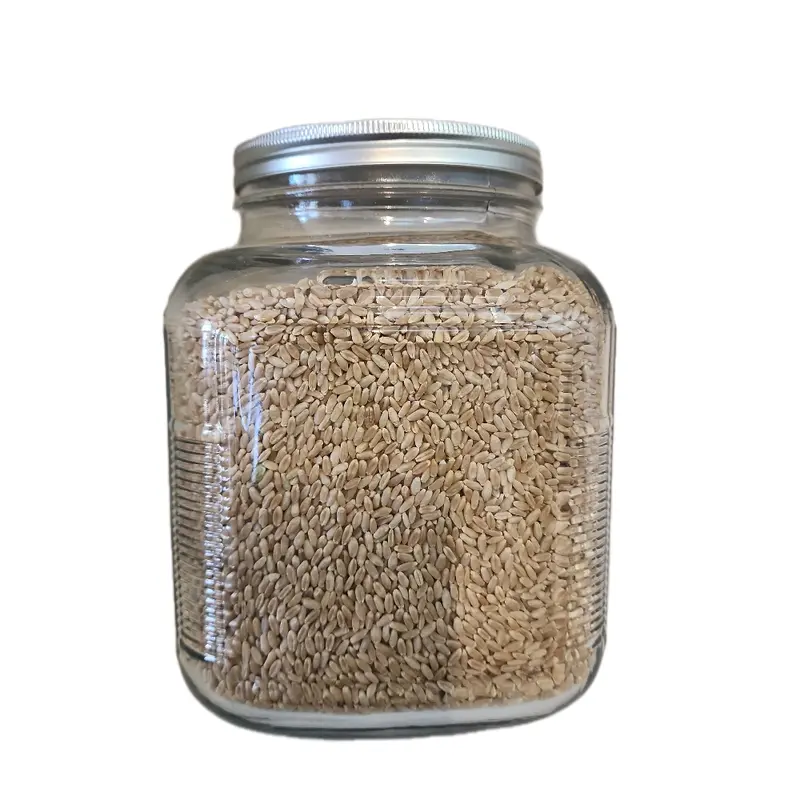
I keep hard white wheat as my staple.
It’s mild, versatile, and beginner-friendly.
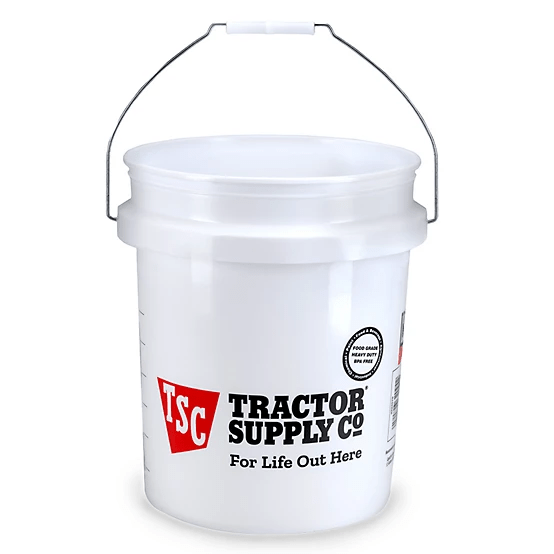
I store it in airtight containers in the pantry — nothing complicated. No elaborate system. Just practical storage that keeps it dry and sealed.
When one container gets low, I refill it from bulk storage.
Simple systems prevent burnout.
How Long It Actually Takes
Let’s be realistic.
From start to finish, sandwich bread takes a few hours.
But active time?
Maybe 20–30 minutes total.
Milling takes a few minutes.
Mixing and kneading takes a bit more.
The rest is just rising and baking while life continues.
It feels less like “extra work” and more like layering something meaningful into the week.
What Makes It Sustainable
This is the part that matters most.
It’s sustainable because:
- I’m not trying to be extreme.
- I’m not chasing perfection.
- I’m not baking seven days a week.
- I’m not comparing my kitchen to someone else’s.
It’s just one steady habit.
And over time, that steady habit adds up.
If You’re Just Starting
Here’s my advice:
Don’t try to overhaul your entire kitchen at once.
Pick one thing.
Make one reliable sandwich loaf each week.
Build confidence there.
Then expand if it makes sense for your family.
You don’t need a pioneer lifestyle to mill flour.
You just need a rhythm.
A Quiet Encouragement
There is something deeply grounding about turning wheat into flour and flour into bread.
Not in a dramatic way.
In a steady way.
In a “this is part of our home now” kind of way.
And yes — occasionally in a “please stop sitting on the cooling rack” kind of way if you also live with curious cats.
It doesn’t have to be complicated to be meaningful.
 The Purposeful Homemaker